Articles & Case Studies
Use ICP Research Across Your GTM Tools
ICP descriptions and targeting vocabulary can be useful outside the tool that created them. Keep the business definition portable and test how each search system interprets it.

· updated October 6, 2026
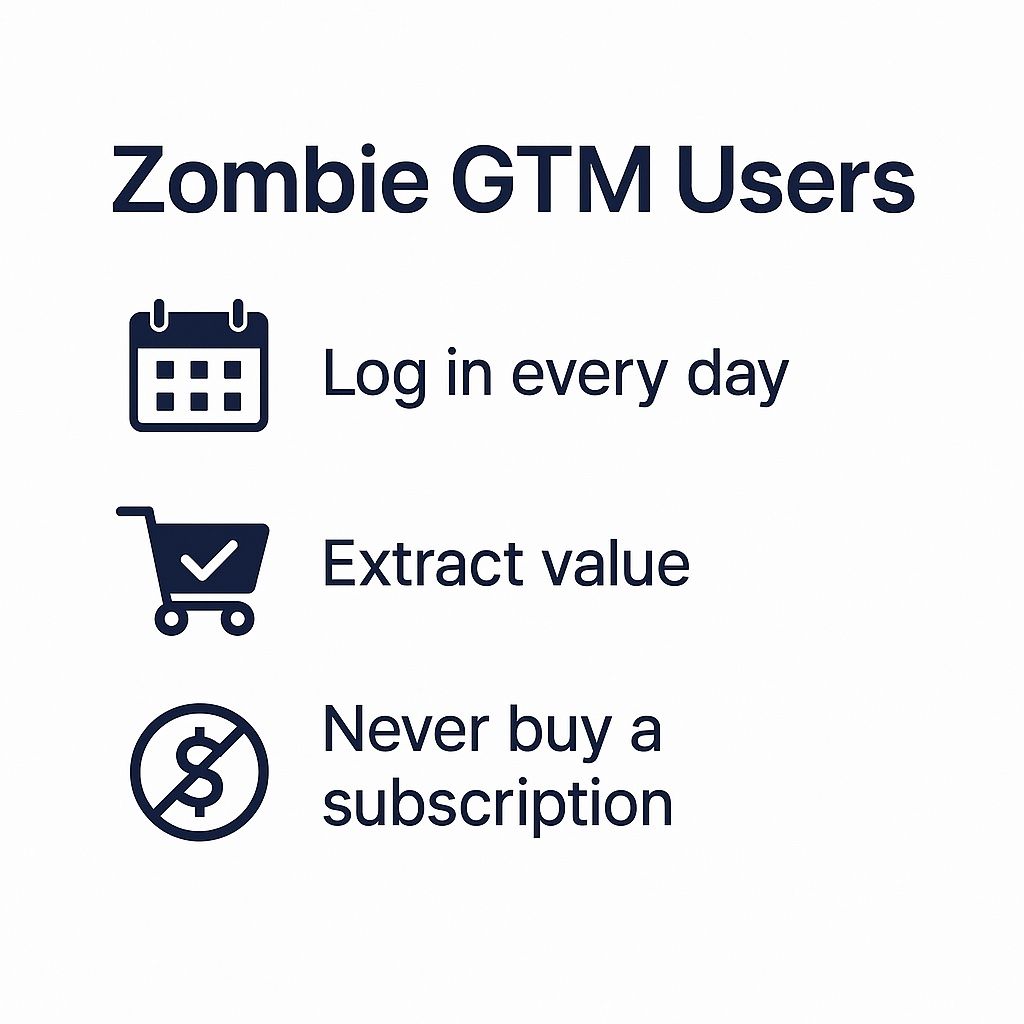
We noticed users building ICP descriptions and keyword sets in DiscoLike, then taking that research into other tools. Some did not continue with the full discovery workflow.
Initially, that looked like a product handoff we should prevent. It also revealed a useful job: helping a team express its target market clearly enough to use elsewhere.
What makes an ICP portable?
The most reusable part is the business definition: what the company sells, who it serves, and which characteristics make it suitable.
Keep representative customer domains and exclusion rules with the description. Distinguish facts learned from customers from assumptions you still want to test.
A keyword list alone loses that context. It is better treated as a set of search clues than as the complete ICP.
Translate the criteria for each tool
The same words can behave differently in Apollo, Clay, an agent workflow, or a semantic company-search system. One may use category filters, another phrase matching, and another similarity ranking.
Do not assume that copying the description produces an equivalent account universe. Inspect known customers and sample results in each tool.
For campaign research, pass the business definition alongside the company data so the model knows what the qualification task means.
Use discrepancies to improve the research
If one tool returns a different business model, examine which phrase or filter caused the shift. If a known customer is missing, check source coverage before rewriting the ICP to accommodate the database.
Save the accepted definition and the tool-specific query separately. That makes the research easier to reuse without losing the original business intent.
Start with customer evidence
DiscoLike can help generate an ICP from representative companies and turn it into a discovery query. You can use the resulting research to guide the rest of your GTM stack.
Build your ideal customer profile, then test it against companies your team already knows before expanding the search.
Related posts: